How Do I Calculate ROI on an Airbnb Property? A Complete Guide.
Whether you’re considering your first Airbnb investment or evaluating an existing property, understanding how to calculate ROI on an Airbnb property is essential for making informed financial decisions. Many aspiring hosts jump into short-term rental investing without a clear picture of profitability, leading to disappointing returns or unexpected losses.
The good news? Calculating your Airbnb ROI is straightforward once you understand the formula and know which expenses to include. This guide walks you through the process step-by-step, complete with practical examples to help you evaluate whether an Airbnb property is the right investment for you.
The Basic ROI Formula for Airbnb Properties
The foundation of calculating ROI on an Airbnb property starts with a simple formula:
(Annual Net Profit ÷ Total Investment) × 100 = ROI Percentage
While the formula is straightforward, the challenge lies in accurately calculating both the numerator and denominator. Let’s break down what belongs in each component.
Understanding Net Profit
Net profit is your gross rental income minus all operating expenses. This isn’t just your mortgage payment—it includes every cost associated with running your Airbnb.
To calculate annual net profit:
- Add up all monthly or annual rental income from guests
- Subtract every operating expense for the year
- The remainder is your net profit
Defining Total Investment
Total investment includes all money you put into the property before it generates income. This encompasses:
- Down payment on the property
- Renovation and upgrade costs
- Furnishing and décor expenses
- Initial setup costs (linens, appliances, etc.)
Be thorough here. Many investors underestimate startup costs, which artificially inflates their ROI calculations.
Essential Expenses to Include in Your Calculation
One of the most common mistakes in calculating ROI on an Airbnb property is omitting or underestimating expenses. Here’s a comprehensive list of costs you must account for:
Housing and Financing Costs
- Mortgage payments (principal and interest)
- Property taxes
- Homeowners insurance
- HOA fees (if applicable)
Operational Expenses
- Cleaning fees paid to cleaners between guests
- Airbnb service fees (typically 3% of booking value)
- Property management fees (if using a manager)
- Utilities (electric, gas, water, internet)
- Maintenance and repairs
- Furnishings replacement and upgrades
Vacancy and Turnover Costs
- Income lost during vacant days
- Turnover expenses between guests
- Marketing and promotional costs
Many investors assume 85-90% occupancy rates when calculating ROI. This accounts for seasonal fluctuations, unexpected maintenance, and days needed for deep cleaning.
A Practical ROI Calculation Example
Let’s walk through a realistic scenario to see how to calculate ROI on an Airbnb property in action.
Property Investment:
- Down payment: $50,000
- Renovations: $15,000
- Furnishings and setup: $10,000
- Total investment: $75,000
Annual Revenue and Expenses:
- Gross rental income (at 85% occupancy): $42,000
- Mortgage payments: $18,000
- Property taxes and insurance: $4,500
- Cleaning services: $3,600
- Airbnb fees: $1,260
- Utilities: $2,400
- Maintenance and repairs: $2,000
- Total expenses: $31,760
ROI Calculation:
Annual Net Profit: $42,000 – $31,760 = $10,240
ROI: ($10,240 ÷ $75,000) × 100 = 13.65%
This example demonstrates a solid return that falls within industry benchmarks. However, results vary significantly based on location, property type, and management efficiency.
Cash-on-Cash ROI vs. Total ROI
When calculating ROI on an Airbnb property, you may encounter two different approaches. Understanding the difference helps you compare investments accurately.
Cash-on-Cash ROI
This measures the return on the actual cash you invested (down payment and upfront costs), excluding appreciation or mortgage paydown.
Formula: (Annual Net Profit ÷ Cash Invested) × 100
Using our example: ($10,240 ÷ $75,000) × 100 = 13.65%
Total ROI
This includes mortgage principal paydown and potential property appreciation alongside your cash profits.
Total ROI typically yields higher percentages because it accounts for equity building. However, it’s less useful for evaluating year-to-year performance since appreciation varies by market.
Cap Rate: An Alternative ROI Metric
Real estate investors often use capitalization rate (cap rate) alongside traditional ROI calculations. Cap rate divides net operating income by property value:
(Annual Net Operating Income ÷ Property Value) × 100 = Cap Rate
Cap rate helps you compare your Airbnb investment against other local real estate opportunities. A cap rate of 5-10% is common for short-term rental properties in desirable markets.
Tools and Resources for ROI Calculation
You don’t need to manually calculate everything. Several tools streamline the process:
- Spreadsheet templates: Create a custom Excel or Google Sheets model for your specific property
- Airbnb ROI calculators: Online tools that estimate returns based on location and property type
- Property management software: Platforms like Hostaway and iGMS track all expenses automatically
- Real estate analysis tools: Apps like BiggerPockets help compare multiple investment scenarios
Regardless of the tool, the accuracy of your calculations depends on inputting realistic numbers for income and expenses.
Industry Benchmarks and Realistic Expectations
What constitutes good ROI for an Airbnb investment? Industry data suggests typical annual returns range from 5-15%, depending on location and property characteristics.
- Urban markets with high demand: 8-15% ROI
- Suburban and mid-sized cities: 6-10% ROI
- Seasonal vacation destinations: 10-20% (but with higher variance)
- Rural areas: 4-8% ROI
Properties in premium locations with strong year-round demand tend to outperform, while those in seasonal markets require higher occupancy rates to achieve solid returns.
Timeline to Profitability
Understanding when your investment breaks even is crucial. Most Airbnb properties require 3-5 years to fully recover the initial investment through operating profits, after which returns improve significantly.
If your annual net profit is $10,240 on a $75,000 investment, you’re looking at approximately 7-8 years to break even through cash flow alone. However, mortgage paydown and potential appreciation accelerate this timeline considerably in appreciation markets.
Final Thoughts
Learning how to calculate ROI on an Airbnb property empowers you to make strategic investment decisions. By accurately accounting for all expenses, using conservative occupancy estimates, and comparing your results against industry benchmarks, you’ll develop realistic expectations for your property’s performance.
Start by creating a detailed spreadsheet for your target property, input conservative numbers, and calculate multiple scenarios. This thorough approach protects your investment and helps you identify genuinely profitable opportunities from the start.
Ready to evaluate your Airbnb investment? Begin by gathering your property’s actual expense data and rental income figures. The clearer your numbers, the more confident you’ll be in your investment decision.
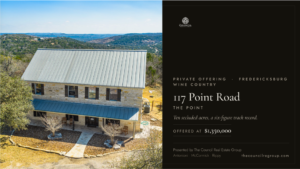
Curious about our current STR Inventory? Check out these listings with years of proven financials and opportunity for upside: